

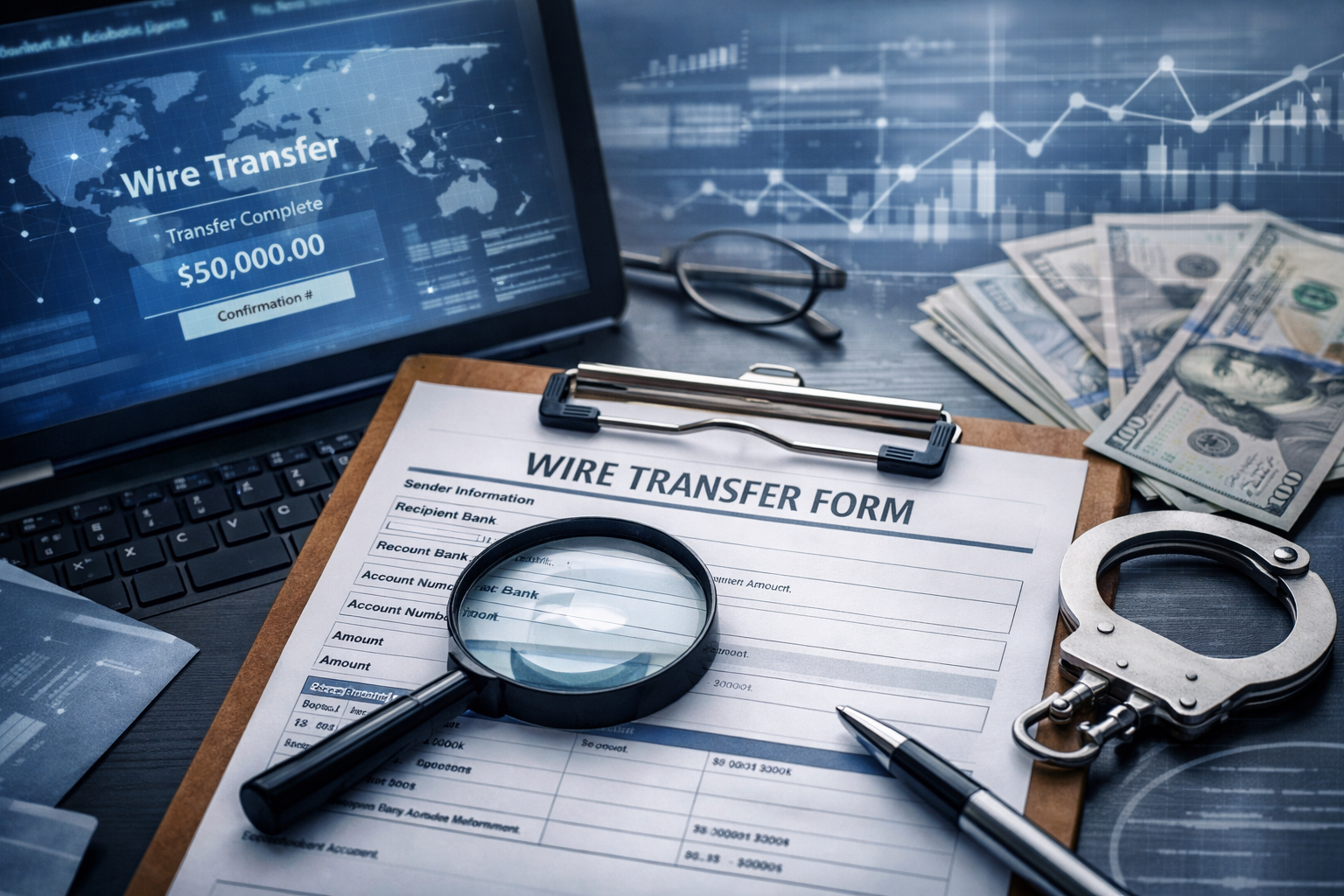
Can Banks Reverse Wire Transfers? A Forensic Settlement Analysis
Many fraud victims urgently ask: can banks reverse wire transfers after money has already been sent? Wire transfers operate through real-time settlement systems designed for finality. Whether banks can reverse wire transfers depends entirely on timing, interbank coordination, and whether funds remain within the regulated banking system before cross-border dispersion or digital asset conversion.
Can Banks Reverse Wire Transfers After Settlement?
To understand whether can banks reverse wire transfers once funds are processed, we must examine how wire infrastructure functions.
Domestic transfers in the United States typically settle through:
-
Fedwire Funds Service
-
CHIPS (Clearing House Interbank Payments System)
International wires move via the SWIFT messaging network, which coordinates communication between correspondent banks.
Once settlement occurs, central bank reserves are adjusted between institutions. At that point, the transaction is considered final from a liquidity perspective. This structural finality explains why the answer to can banks reverse wire transfers is usually time-sensitive.
Wire transfers are governed primarily by UCC Article 4A. If a bank follows commercially reasonable security procedures and properly verifies authorization, liability becomes limited once execution is complete. Unlike ACH or card disputes, post-settlement reversals are not routine consumer protections.
The Recall Window: When Can Banks Reverse Wire Transfers?
The only realistic opportunity for reversal occurs before or immediately after settlement.
If fraud is detected within minutes, the sending institution may attempt to cancel the instruction before funds are credited. Once credited, the process shifts to a formal interbank recall request, often supported by indemnity documentation.
Whether can banks reverse wire transfers in this stage depends on:
-
Whether the funds remain in the beneficiary account
-
Whether the receiving bank cooperates
-
Jurisdictional freeze rules
-
Whether the account holder has withdrawn or transferred funds
If funds have already been dispersed, the originating bank no longer has unilateral authority.
If your timeline is recent and documentation is preserved,
Submit your case for review
Fedwire vs SWIFT: Jurisdictional Complexity
When analyzing can banks reverse wire transfers, infrastructure matters.
Fedwire operates in real time, which makes recall windows extremely narrow. Once settled, reversal is procedural rather than automatic.
International wires introduce additional layers:
-
Correspondent banks
-
Cross-border AML protocols
-
Time zone delays
-
Foreign regulatory cooperation
In cross-border cases, whether can banks reverse wire transfers often hinges on law enforcement involvement rather than internal bank processes alone.
From Banking System to Digital Asset Conversion
Modern fraud frequently transitions from traditional banking to cryptocurrency.
The pattern typically follows:
-
Victim wires funds to a mule or aggregator account.
-
Funds are rapidly transferred offshore.
-
Fiat is converted into cryptocurrency.
-
Digital assets are routed through multiple wallets or chains.
Once conversion occurs, the question of can banks reverse wire transfers becomes secondary to blockchain tracing.
Fraud operators may reinforce credibility by displaying synthetic balances through manipulated dashboards. Victims are sometimes instructed to connect decentralized wallets to malicious smart contracts, unknowingly granting token approvals.
At this stage, the issue is no longer a wire recall — it becomes a forensic tracing matter.
Withdrawal Blocks and Tax Demand Manipulation
Victims often ask can banks reverse wire transfers after a trading platform demands additional tax payments.
Fraudulent platforms introduce artificial withdrawal barriers such as:
-
Capital gains tax wire demands
-
Clearance deposits
-
Unlock fees
-
Regulatory processing charges
Legitimate regulators do not collect taxes through private wire transfers to trading platforms. Additional payment demands do not authorize withdrawals; they extend the fraud cycle.
If your bank cannot reverse the initial transaction,
Layered Dispersion and Settlement Fragmentation
In many cases, by the time victims ask can banks reverse wire transfers, funds have already been routed through multiple institutions.
Common dispersion methods include:
-
Secondary domestic accounts
-
Offshore correspondent banks
-
Shell entities
-
High-risk crypto exchanges
Each structural hop reduces the likelihood that banks can reverse wire transfers through internal recall mechanisms.
Speed of reporting remains the primary determinant of outcome.
Structural Red Flags
Preventing the need to ask can banks reverse wire transfers begins with recognizing high-risk signals:
-
Wiring to personal accounts for “investment opportunities”
-
Beneficiary names that do not match corporate branding
-
Urgency preventing independent verification
-
Requests for additional wires to release funds
Advisories from the FBI IC3 and the SEC emphasize independent verification of wiring instructions before execution.
Legitimate compliance matters are communicated through secure banking channels — not encrypted messaging apps.
Realistic Recovery Expectations
The direct answer to can banks reverse wire transfers is conditional.
Banks may succeed in reversing or freezing funds if:
-
The recall request is immediate
-
Funds remain in the beneficiary account
-
The receiving institution cooperates
-
Jurisdiction allows freeze action
However, once funds are withdrawn, transferred offshore, or converted into cryptocurrency, the likelihood decreases significantly.
At that point, structured documentation becomes critical:
-
Wire confirmation receipts
-
SWIFT MT103 records
-
Beneficiary account details
-
Full communication logs
If structured documentation has not been preserved,
Forensic Monitoring & Community Protection
Drubox maintains structured intelligence on high-risk beneficiary accounts, routing corridors, and associated digital wallets frequently observed in global fraud cases.
Public discussion signals about can banks reverse wire transfers frequently appear on Google where victims search recall timelines, and on Reddit where users share recall outcomes. Educational breakdowns circulate on YouTube and short-form alerts appear on TikTok. Longer forensic discussions are published on Medium, and many individuals use ChatGPT to draft recall communications or understand UCC Article 4A.
Forensic Comparison Table
| Comparison Category | Legitimate Wire Structure | Fraudulent Wire Structure |
|---|---|---|
| Asset Custody Model | Verified regulated account | Mule or synthetic identity account |
| Withdrawal Authorization Logic | Formal bank compliance review | Artificial unlock conditions |
| Wallet Approval Behavior | No external wallet permissions | Unlimited smart contract approvals |
| Fee Transparency | Standardized bank fee schedule | Unscheduled tax or clearance demands |
| Regulatory Accountability | UCC Article 4A and AML oversight | Jurisdictional arbitrage |
| Transaction Auditability | Transparent SWIFT/Fedwire record | Layered routing to fragment trace |
| Private Key Control | No exposure | Indirect exposure via deceptive approvals |
| Compliance Escalation | Ombudsman and regulators | Fabricated or non-responsive support |
| Customer Verification Systems | Formal KYC/AML onboarding | Synthetic or compromised identities |
FAQ
Can banks reverse wire transfers after the recipient withdraws the funds?
No. Once funds leave the beneficiary account, banks cannot unilaterally retrieve them. Whether can banks reverse wire transfers in this stage depends on regulatory freeze authority and cooperation from the receiving institution.
Does Regulation E apply if I authorized the transfer?
No. Regulation E typically applies to unauthorized transactions. If you initiated the wire voluntarily, UCC Article 4A governs the transaction, which limits the ability of banks to reverse wire transfers after proper authentication.
Can banks reverse wire transfers if reported immediately?
Yes. If fraud is reported before funds are withdrawn or dispersed, an interbank recall request may result in a freeze. Timing remains the decisive factor when evaluating whether can banks reverse wire transfers.
Can forensic tracing help if banks cannot reverse the transaction?
Yes. If funds were converted into cryptocurrency, blockchain tracing can identify routing patterns and exchange endpoints. While this does not allow banks to reverse wire transfers directly, it supports structured investigative escalation.